
Museum Exhibition Stands & Displays | Custom Exhibition Furniture
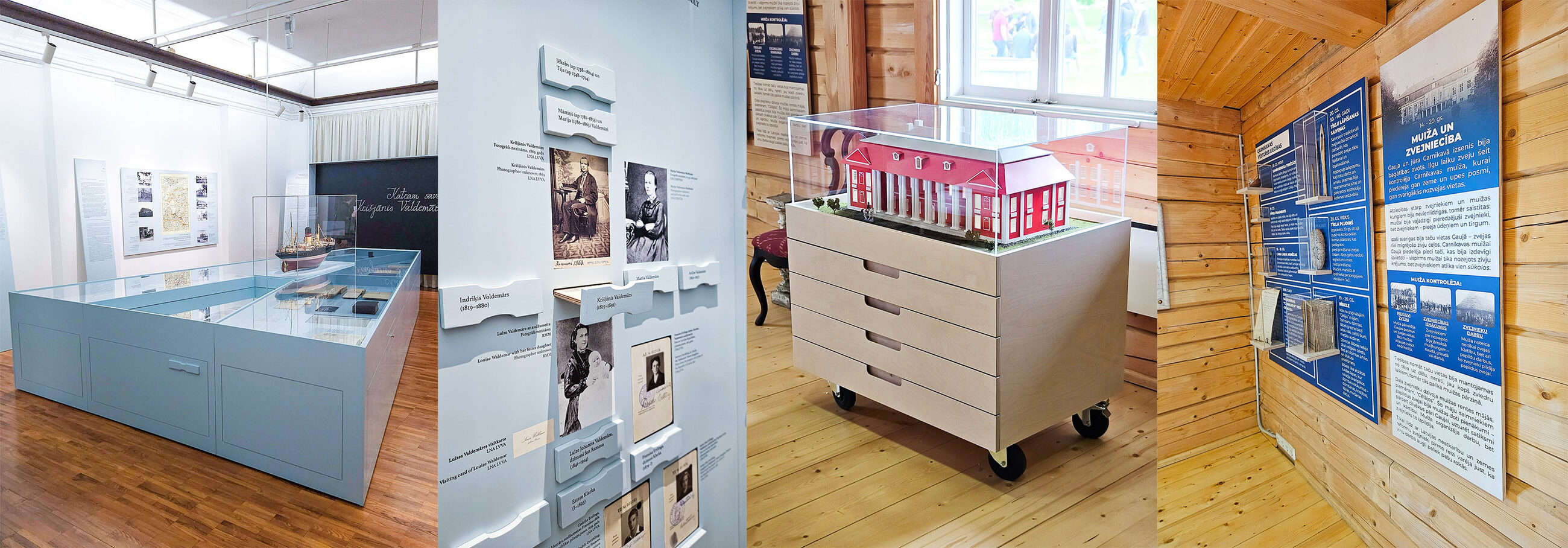
A good museum exhibition is about much more than putting interesting objects in a room.
The space around the exhibits plays an important role too. Exhibition stands, display cases, information panels, custom furniture and other elements help create the environment in which visitors discover the story behind the collection.
But the best exhibition stands are usually the ones you barely notice. They support the exhibition without taking attention away from the objects themselves.
So, what actually makes a good museum exhibition stand?
Museum Exhibition Stands & Displays – What Makes a Great Exhibition?
A good museum exhibition is about much more than putting interesting objects in a room.
The space around the exhibits plays an important role too. Exhibition stands, display cases, information panels, custom furniture and other elements help create the environment in which visitors discover the story behind the collection.
But the best exhibition stands are usually the ones you barely notice. They support the exhibition without taking attention away from the objects themselves.
So, what actually makes a good museum exhibition stand?
1. The exhibition should start with the story
Before thinking about materials, colours or construction, it is worth thinking about the story the exhibition wants to tell.
What should visitors notice first? What should they understand? Where should they go next?
The exhibition layout, display furniture and information panels should all work together to create a natural visitor journey. Modern exhibition design increasingly puts the visitor experience at the centre of the planning process.
This is where exhibition stands become more than just furniture. They become part of the storytelling.
2. Every object needs the right way to be displayed
There is no single solution that works for every museum object.
A painting may need a simple wall-mounted display. A historical document might work better inside a horizontal display case. A sculpture may need a pedestal or a freestanding structure, while a collection of smaller objects might require a custom-built glass case.
The object itself should always be one of the starting points when designing the display. Its size, material, condition and viewing requirements can all influence the final solution.
That is why custom museum displays are often a better choice than trying to adapt standard furniture to an exhibition.
3. Protection is just as important as appearance
Museum exhibitions often contain objects that cannot simply be left exposed.
Light, humidity, dust, physical contact and the surrounding environment can all affect sensitive objects. A properly designed display case can help protect the exhibit while still keeping it clearly visible to visitors.
Good exhibition fabrication therefore has to combine two things that sometimes seem opposite:
protection and presentation.
The display needs to keep the object safe while making sure visitors can actually enjoy seeing it.
4. Good design doesn't have to shout
It can be tempting to make every part of an exhibition visually interesting.
But sometimes the strongest solution is the quietest one.
Clean lines, carefully selected materials, controlled colours and simple forms can create a background that lets the artwork or historical object take centre stage.
This is especially important when an exhibition contains hundreds of objects or works from different periods. The exhibition furniture should bring everything together rather than compete with it.
5. Materials make a difference
Museum exhibition stands can be produced from many different materials depending on the project.
Plywood, MDF, veneered panels, solid wood, metal, glass and painted surfaces can all be combined to create custom exhibition furniture and display structures.
The choice depends on several things:
the visual style of the exhibition
the weight and type of the objects
how long the exhibition will be installed
whether the structures need to be moved or reused
the available budget
the requirements of the exhibition space
Sometimes a simple plywood structure is exactly what is needed. Other projects require highly finished furniture with concealed fixings and carefully integrated lighting.
There is no universal solution — the material should serve the exhibition.
6. Think about installation before production
A beautiful exhibition stand is not much use if it is difficult to get through the museum door.
This is something that is easy to overlook during the design stage.
Large exhibition structures may need to be transported through narrow corridors, lifts or staircases before reaching their final position. For temporary exhibitions, the stands may also need to be dismantled and transported somewhere else later.
This is why modular and flat-pack construction can be extremely useful.
Designing exhibition furniture in sections makes transportation easier, speeds up installation and can make future reuse possible.
7. Visitors are part of the exhibition
An exhibition is ultimately designed for people.
Visitors should be able to move comfortably through the space, understand the information and view the exhibits without unnecessary obstacles.
Accessibility should therefore be considered from the beginning rather than added as an afterthought. Modern museum accessibility guidance focuses on creating welcoming environments that work for visitors with different needs and abilities.
Even small details matter — the height of information panels, the readability of text, clear routes through the exhibition and the way interactive elements can be reached.
8. Sometimes the best exhibition stand is one you'll use again
Temporary exhibitions don't necessarily have to mean disposable structures.
With the right planning, exhibition stands and furniture can be designed to be dismantled, stored and adapted for another exhibition.
This can make sense both financially and environmentally.
A modular display system can be given a new layout, new graphics or a different finish and become part of another exhibition rather than being built from scratch every time.
From idea to finished exhibition
Museum exhibition projects usually involve many different people — curators, designers, architects, graphic designers, museums and manufacturers.
The manufacturing stage is where the ideas on paper become something visitors can actually walk around and interact with.
At Mooseberry, we work with custom exhibition stands, museum displays, exhibition furniture and other made-to-measure solutions. We can take a design or idea and turn it into a finished physical element — from individual display structures to larger exhibition installations.
We work with different materials and production methods, including CNC cutting and milling, allowing us to create everything from simple display panels to more complex custom-built structures.
For us, the goal is simple:
Build something that looks right, works properly and lets the exhibition itself take the spotlight.
Planning a museum exhibition?
Whether you are working on a small temporary exhibition or a larger museum project, the right display solution can make a big difference.
If you already have a design, drawings or simply an idea, we can help turn it into a practical, well-made exhibition stand or display.